Back to Calendar

Daily SEO Brief

Monday, July 6, 2026

5 articles published

What You Need to Know

On July 6, 2026, the SEO community is buzzing with significant insights regarding Google's Open Knowledge Format (OKF) and its potential impact on website structuring, AI-generated content strategies, and understanding audience metrics. The articles showcase the evolving relationship between AI technologies and SEO practices, emphasizing the necessity for brands to adapt to these changes for sustained online presence.

Must-Read Highlights

1

Google's Open Knowledge Format (OKF) can improve AI comprehension of content relationships on websites, leading to better indexing and interpretation.

Google’s Open Knowledge Format Could Work For Websites, Too
2

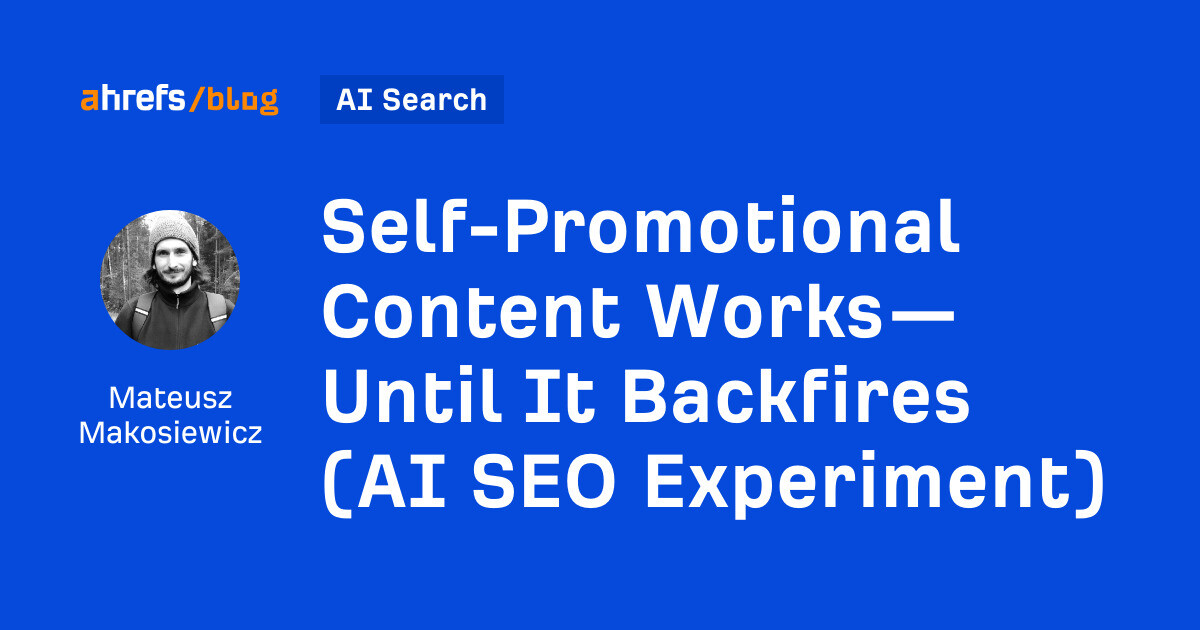
Self-promotional content can yield increased mentions for new brands in AI responses but may backfire for established brands, revealing the need for a consistent content strategy.

Self-Promotional Content Works—Until It Backfires (AI SEO Experiment)
3

The rise of zero-click searches alters traffic analytics, highlighting a disconnect between traffic volume and content value, necessitating a reevaluation of content success metrics.

AI Content Didn’t Stop Working, Your Metrics Did
4

Google clarifies that the llms-author.txt file has no SEO implications, emphasizing a focus on content quality and engagement over unnecessary technical complexities.

Google Answers Question About LLMs-Author.txt For SEO
5

Implementing Google's OKF can streamline the process of creating knowledge bases and enhance SEO analysis with efficient information processing.

Build An OKF Brain Like Mine!

All Articles from This Day

Google’s Open Knowledge Format Could Work For Websites, Too via @sejournal, @slobodanmanic
SEJ
Jul 6, 2026Slobodan Manic
High Importance

Google’s Open Knowledge Format Could Work For Websites, Too via @sejournal, @slobodanmanic

AI Analysis
  • Google has released the Open Knowledge Format (OKF) for representing knowledge as a directory of linked markdown files with YAML frontmatter, which can enhance how AI agents understand content relationships.
  • Implementing a knowledge graph structure on websites instead of static pages allows AI agents to comprehend not just individual pages but also how concepts interconnect, improving the overall understanding of the site’s content.
  • The OKF is an early version aimed at internal knowledge use, but its potential implications for public websites could change the way they are indexed and interpreted by AI, requiring careful maintenance to ensure accuracy.
Why it matters: The article discusses an important new framework (OKF) from Google that could significantly impact how AI understands website content, representing a potentially transformative change for SEO professionals.
Google UpdatesSEO ToolsKnowledge GraphAI in SEOContent Structure
Read Source
Self-Promotional Content Works—Until It Backfires (AI SEO Experiment)
GOOGLE
Jul 6, 2026Mateusz Makosiewicz
High Importance

Self-Promotional Content Works—Until It Backfires (AI SEO Experiment)

AI Analysis
  • Self-promotional content can significantly increase mentions for new brands in AI-generated responses but has limited impact on established brands.
  • AI citation (being mentioned as a source) differs from recommendation, as AI may cite a source without favoring it over competitors.
  • The temporary nature of AI citations suggests a need for consistent content strategy to maintain visibility in AI responses.
Why it matters: The findings on self-promotional content and its influence on AI assistant recommendations highlight important strategic insights for SEO professionals navigating AI-driven search environments.
AI in SEOSelf-PromotionBrand VisibilitySearch Engine RecommendationsAI Citation
Read Source
AI Content Didn’t Stop Working, Your Metrics Did via @sejournal, @MattGSouthern
SEJ
Jul 6, 2026Matt G. Southern
High Importance

AI Content Didn’t Stop Working, Your Metrics Did via @sejournal, @MattGSouthern

AI Analysis
  • The increase in zero-click searches is impacting traffic analytics for content, leading to a disconnection between traffic and content value.
  • AI Overviews are driving a decrease in click-through rates, with substantial implications for traditional measures of content performance.
  • Despite declining click rates, audience engagement with the content may remain high, highlighting the need for a reevaluation of how content success is measured.
Why it matters: The article addresses the significant impact of AI Overviews on analytics and SEO practices, making it highly relevant for SEO professionals navigating the evolving landscape.
AI Overviewszero-click searchescontent measurementclick-through ratesSEO analytics
Read Source
Google Answers Question About LLMs-Author.txt For SEO via @sejournal, @martinibuster
SEJ
Jul 6, 2026Roger Montti
Good to Know

Google Answers Question About LLMs-Author.txt For SEO via @sejournal, @martinibuster

AI Analysis
  • John Mueller clarified that the llms-author.txt is not an official standard used by Google or other crawlers, and therefore doesn't impact SEO.
  • The Content-Signal header proposed by Cloudflare also has no measurable effects on search engines or bots, adding unnecessary complexity to robots.txt files.
  • The Redditor's issue is not a technical SEO problem but rather a digital presence issue; they should focus on enhancing their visibility through content and engagement.
Why it matters: While it provides insights on misconceptions regarding llms-author.txt and Content-Signal headers, it mainly addresses a specific user's situation and does not introduce critical updates or concepts for the broader SEO community.
Google SEOTechnical SEOLLMsContent-SignalSEO Strategies
Read Source
Build An OKF Brain Like Mine! via @sejournal, @marie_haynes
SEJ
Jul 6, 2026Marie Haynes
Good to Know

Build An OKF Brain Like Mine! via @sejournal, @marie_haynes

AI Analysis
  • The article outlines the author's personal implementation of Google's Open Knowledge Format (OKF) and its advantages for creating structured knowledge bases.
  • It details the use of YAML frontmatter, indexing, and markdown files to enable AI agents to efficiently read and process information.
  • The author shares practical applications, including automated updates and playbooks that streamline repetitive tasks in SEO analysis and client proposal generation.
Why it matters: While the content provides useful insights into structuring knowledge for SEO professionals, it does not address critical updates or changes in search engine algorithms or tools that significantly impact SEO practices.
Google Open Knowledge FormatAI in SEOKnowledge ManagementAutomationSEO Tools
Read Source